
Urology
Healthcare IT and billing built for a urology practice
In-office procedures, pathology tracking and ancillary service billing for urology practices.
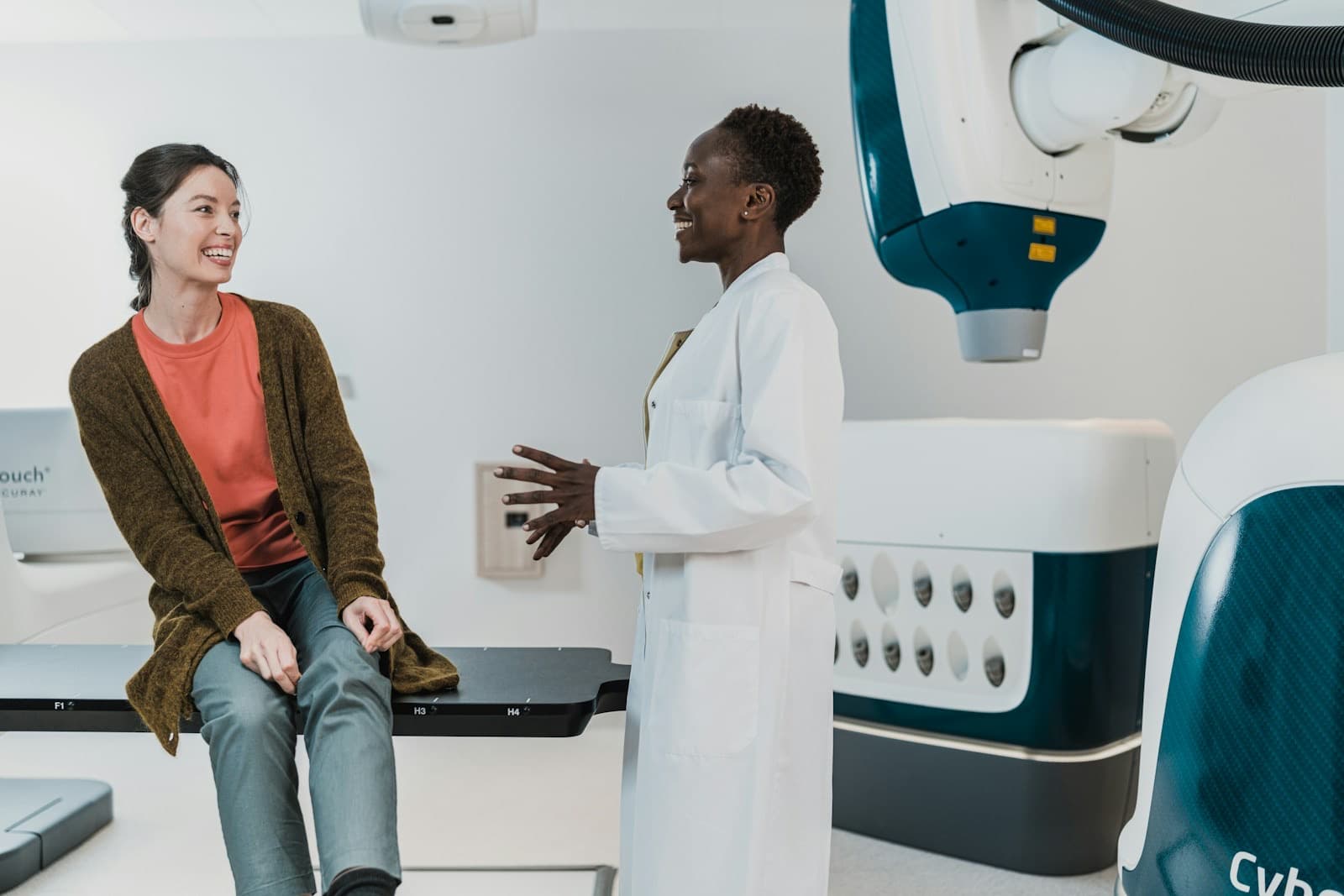
Why urology is different
Urology is procedure-dense and increasingly ancillary-heavy, with practices operating in-office pathology, imaging and infusion alongside a busy surgical schedule.
Healthcare SBC supports cystoscopy and office procedure documentation, specimen tracking through pathology, ancillary service billing, and the surgical global management that ties it together.
Common challenges
Where urology practices lose revenue
The billing and workflow problems specific to this specialty, and the ones generic systems handle badly.
In-office procedure documentation
Cystoscopy, urodynamics and biopsies require specific documentation to be billed separately from the visit.
Pathology result tracking
Biopsy specimens must be tracked to result and communicated, with follow-up scheduled based on findings.
Ancillary service billing
In-office labs, imaging and infusion each carry their own billing and compliance requirements.
Surveillance protocols
Cancer surveillance requires interval tracking across years to keep patients on protocol.
How we address it
Built for urology workflows
- Cystoscopy and urodynamics documentation templates
- Specimen tracking from collection through pathology and notification
- Ancillary lab, imaging and infusion billing workflows
- Cancer surveillance interval tracking with automated recall
- Surgical global period management with modifier prompts
Commonly billed codes in urology
A sample of the codes our urology coders work with daily.
- 52000Cystourethroscopy, diagnostic
- 51798Measurement of post-voiding residual by ultrasound
- 55700Biopsy of prostate, needle or punch
- 51741Complex uroflowmetry
- 52332Cystourethroscopy with ureteral stent insertion
Codes shown for reference only. Verify against current code sets and payer policy.
Other surgical specialties
Orthopedics
Surgical global periods, DME, imaging and therapy billing unified for orthopedic groups.
General Surgery
Surgical scheduling, global period management and multi-facility coordination for surgical practices.
Podiatry
Routine foot care coverage rules, DME dispensing and wound care documentation for podiatric practices.
FAQ
Urology, frequently asked questions questions
- Do you support in-office pathology?
- Yes. Specimens are tracked from collection through processing and result, with pathology billing handled under the appropriate professional and technical components and compliance rules for in-office labs.
- How are surveillance patients tracked?
- Surveillance intervals are set from findings and tracked automatically, with recall outreach that keeps patients on protocol: protecting outcomes and preserving recurring visit volume.
- Can you bill office-based procedures with the visit?
- Yes, where the evaluation is significant and separately identifiable from the procedure. Our coders validate documentation supports both services before the claim goes out.
We're here to help
Ready to see what your revenue cycle could be doing?
Start wherever makes sense: a demo, a free assessment, or a straight conversation with someone who does this every day.